11 Bathroom Remodeling Problems Conroe Homeowners Should Never Ignore
Bathroom remodeling problems in Conroe do not start big. They start with a soft spot near the tub. A grout line that stays dark 24 hours after a shower. A smell that does not leave even with the fan running. In Montgomery County’s climate, those early signs do not stay small. They move to structural damage inside 12 to 18 months, and the repair bill at that stage is not a bathroom budget anymore.
This is not a list of generic remodeling tips. Every problem below is specific to how Conroe homes were built, what the local climate does to bathroom materials, and what the correct fix looks like at the construction level — not the surface level.
Why Conroe Bathrooms Fail Differently Than the Rest of the Country
Most home improvement guides are written for dry climates. They skip the conditions that actually drive bathroom failures here.
According to NOAA, the Houston metro area — which includes Montgomery County — averages over 49 inches of rain per year. Average July temperatures exceed 93°F. Outdoor humidity rarely drops below 65% during summer months. That combination hits bathrooms harder than most homeowners realize.
Four factors make Conroe bathrooms uniquely vulnerable:
None of that gets covered in the national guides. All of it determines whether your bathroom remodel holds up or fails.
The 11 Most Common Bathroom Remodeling Problems in Conroe
1. Undersized or Incorrectly Vented Exhaust Fans
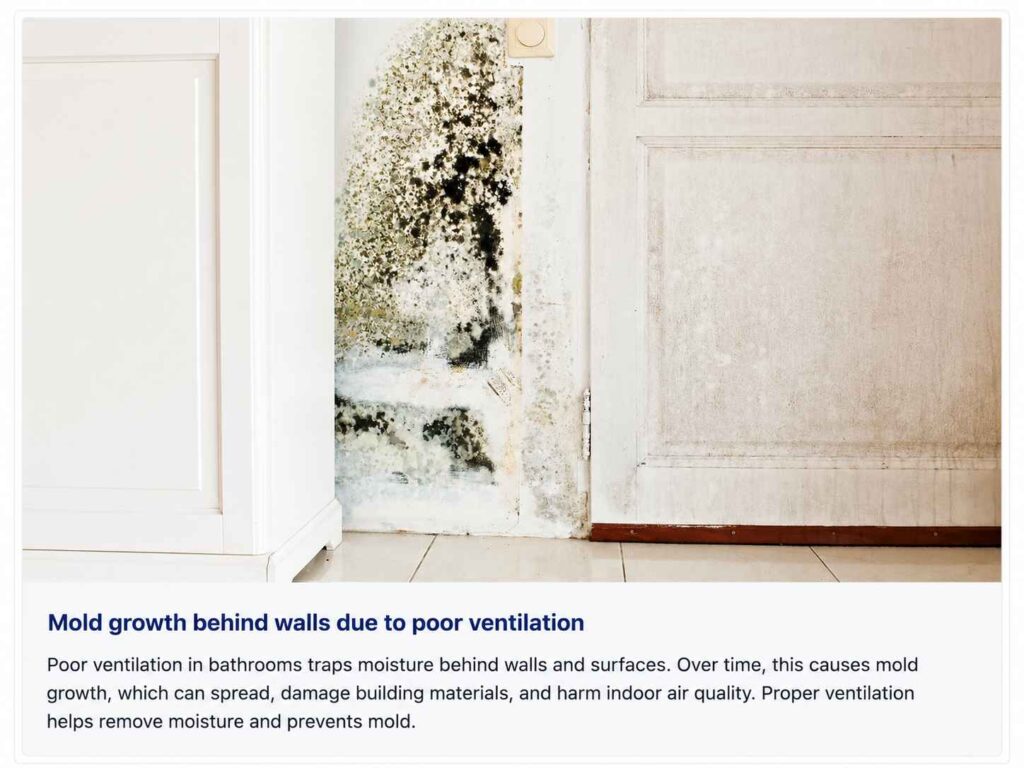
This is the most common root cause of hidden mold damage in Conroe bathrooms, and it is almost always invisible until walls come open during demolition.
The EPA documents that mold colonies establish on wet surfaces within 24 to 48 hours. A bathroom with an exhaust fan that cannot move sufficient air stays wet long enough after every shower for mold to take hold on the back side of tile substrate, inside drywall, and on wood framing — before anything looks wrong from the room side.
The Home Ventilating Institute standard is a minimum of 1 CFM per square foot of bathroom floor area. Builder-grade fans installed in 1980s and 1990s Conroe construction commonly run at 50 CFM regardless of room size. An 80-square-foot bathroom running a 50 CFM fan is clearing 37% less moisture per minute than the minimum standard. Over ten years of daily showers, that deficit accumulates as moisture trapped in the wall cavity.
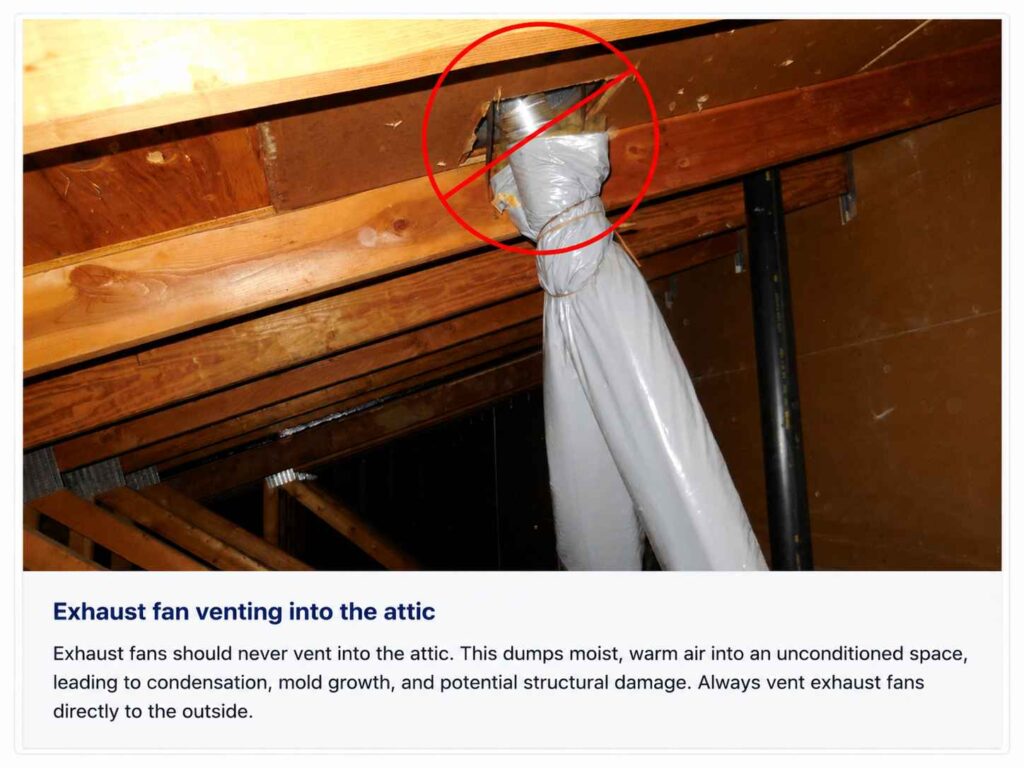
The second failure — more damaging and more common in South Conroe, along the I-45 corridor, and in neighborhoods built before 1990 — is the exhaust fan that vents into the attic instead of the exterior. This directly violates Section R303.3 of the 2024 International Residential Code. It also introduces warm humid air from daily showers into roof framing and insulation year-round.
The result is mold in the roof structure, degraded insulation, and in severe cases, premature roof deck failure. When a home inspector finds this condition during a pre-sale inspection — and they check for it — it flags as a code violation requiring correction before closing.
Field check: Run the exhaust fan for 20 minutes after a hot shower. Hold a sheet of toilet paper near the grille. It should pull and hold firmly against the grille. If it drifts or falls away, the fan is either undersized, the duct is packed with lint, or it terminates in the attic.
The correct fix: specify the fan by actual room CFM, terminate the duct through the roof or exterior wall with a backdraft-dampered vent cap, and seal all duct joints with mastic — not duct tape, which fails in heat and humidity within two to three years. Fans with integrated humidity sensors cost $80 to $150 more than standard models and are worth it in Conroe’s climate because they run automatically until the room reaches a set humidity level instead of relying on someone remembering to use them.
Can a Bad Exhaust Fan Actually Cause Mold Inside the Walls?
Yes. Moisture that cannot exhaust absorbs into whatever surface it contacts — grout, substrate, drywall, wood framing. Mold establishes inside the wall cavity within 48 hours of sustained moisture contact. By the time mold appears on the room-side surface, the cavity behind it is already heavily colonized. Surface cleaning does not reach it.
2. Waterproofing Failures Behind Showers and Tile Walls
Press firmly on the wall tile beside the shower in any Conroe home built before 2000. If the wall flexes, water has been behind it — probably for years. The tile looks intact. The grout looks clean. Behind it, the substrate, drywall, and framing have been absorbing moisture from hairline grout cracks that are invisible on the surface.
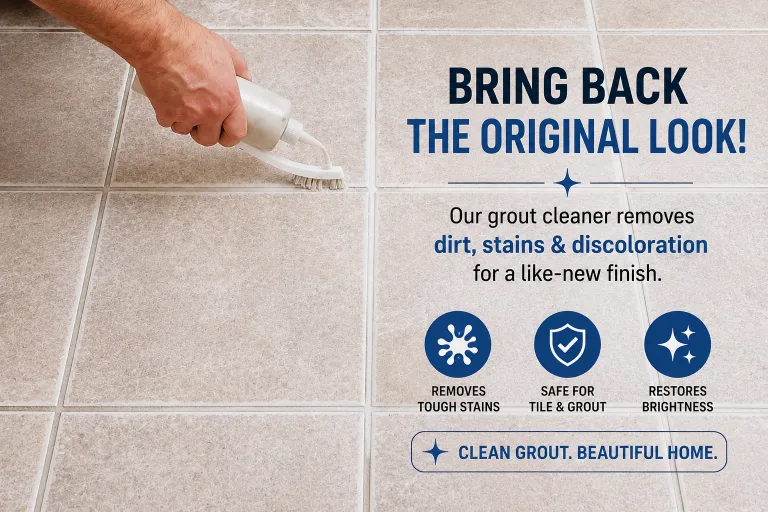
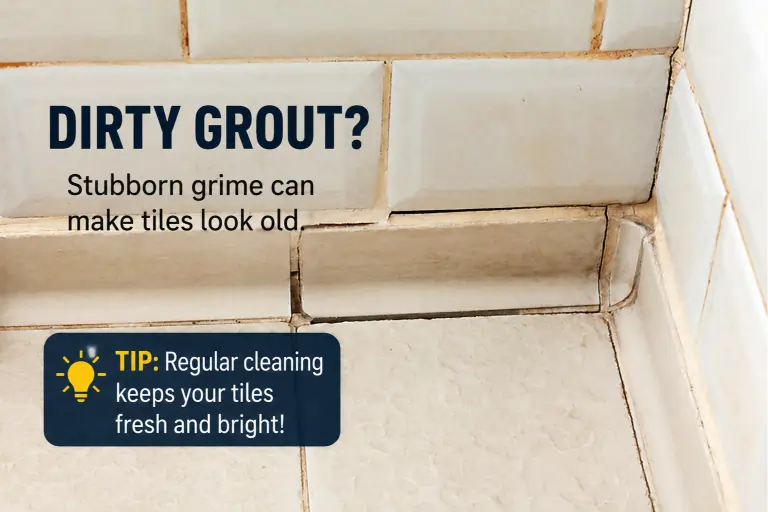
Here is the exact failure mechanism that most guides never explain. Grout is not waterproof. It is porous. Hairline cracks form in grout from normal slab-foundation movement during Conroe’s summer heat cycles — fine enough to miss visually, wide enough for water to wick through by capillary action.
If no waterproofing membrane was installed behind the cement board, that water enters the wall with every shower. In homes built before the mid-1990s in Conroe, the situation starts from a worse position. Tile in those bathrooms was frequently installed directly over standard gypsum drywall — a common practice before cement board became the standard substrate.
Drywall absorbs moisture, the paper facing deteriorates, the gypsum core softens, the tile begins to flex, grout cracks propagate faster, and within several years there is no structural integrity behind the tile surface. Contractors opening walls in Stewarts Forest, Woodforest, and communities along FM 1488 report finding this condition regularly in homes that appeared sound before demolition began.
The two waterproofing systems that licensed contractors in this market use correctly:
Schluter KERDI is a bonded membrane embedded in unmodified thinset before tile adhesive goes on. It creates a continuous waterproof plane behind the tile. Seams and corners receive KERDI-BAND. When correctly installed, the membrane stops water — not the grout.
RedGuard liquid membrane is applied by roller or brush to cement board. The correct application is three full coats. The wet product is pink and dries darker. At three coats applied correctly, there are no translucent areas in the dried surface. Contractors who apply one coat to save time have not waterproofed the shower. They have applied a product that creates the appearance of waterproofing.
Before signing any remodeling contract, ask in writing: what waterproofing system do you use, what product specifically, and how many coats or layers does your process include? “Cement board and quality grout” is not a waterproofing system. Cement board is moisture-resistant substrate. Grout is not a waterproof barrier.
Cost of correct waterproofing added to a shower installation: $300 to $600.
Cost of mold remediation, substrate replacement, subfloor repair, and reframing after waterproofing failure: $3,000 to $12,000 per HomeAdvisor 2024 data. In lakeside Conroe neighborhoods where moisture accelerates damage progression, the upper end of that range is the typical outcome.
How Do I Know If My Bathroom Has Hidden Water Damage?
Press on wall tiles near the shower. Flex or a hollow sound means the substrate is compromised. Press the floor within 12 inches of the tub or shower base — softness means moisture-saturated subfloor. Check whether grout stays darker than its dry color more than 24 hours after a shower. Look for paint peeling at the wall-to-ceiling corner near the shower surround. Any musty smell that persists with the exhaust fan running indicates mold inside the wall cavity, not surface mildew.
3. Tile and Grout Cracking After the Remodel Is Finished
Tile cracks from movement, not from age. The substrate beneath deflects under load, and the tile — which has no flex — breaks at the grout joint or across the face. In almost every case in Conroe homes, the root cause is a subfloor that exceeded maximum deflection limits before the tile was ever installed.
The Tile Council of North America standard requires a maximum floor deflection of L/360. A 10-foot span of floor should flex no more than one-third of an inch under full load. Bathroom subfloors in older Conroe construction — single-layer plywood or OSB installed without reinforcement — frequently exceed this threshold. A contractor who installs tile directly over that subfloor without correcting the deflection is building a floor that will crack, typically within 12 to 18 months.
The failure sequence: thinset cures rigid over a flexing subfloor. The subfloor moves slightly under traffic and temperature changes. The bond fractures at high-deflection zones. Grout lines open. Water enters. Tile goes hollow. Within two years the bathroom looks worse than before the remodel.
Three things that prevent this, in order of installation:
Why Does Bathroom Tile Crack After Remodeling?
Tile cracks because the substrate beneath it moves and tile cannot flex with it. The grout joint or tile face gives way. Proper substrate preparation before installation — not after cracking appears — is the only real solution.
4. Layouts Designed for Builder Cost, Not Daily Use
Most Conroe bathrooms built in the 1980s and early 1990s were designed by production builders optimizing cost per square foot. The result is a predictable set of problems — a door that swings into the toilet clearance zone, a vanity where two people cannot stand simultaneously, a shower too narrow for a comfortable turn, and a soaking tub that occupies 25 to 30 percent of the floor area and sees use a handful of times per year.
On slab foundations, fixing layout problems carries a hard cost. Moving a toilet drain requires breaking concrete to relocate the drain to the new centerline position. That work alone runs $2,000 to $5,000 before any tile is touched. The 2024 International Plumbing Code requires a minimum 15-inch clearance from the toilet centerline to any adjacent wall or fixed obstruction.
Many original Conroe bathrooms are at exactly 15 inches — technically compliant but functionally inadequate for daily use. The practical solution for most slab-foundation homes: redesign the bathroom around existing drain locations. Replacing an unused tub with a walk-in shower over the existing drain — without moving any plumbing — recovers 12 to 15 square feet of floor area.
That recovered space is enough for a functional double vanity with correct sink spacing, a linen tower with real storage depth, or a shower with a 36 by 48 interior that does not require turning sideways to use.
5. Lighting That Creates Shadows Where Clarity Is Needed
A single overhead fixture — still the default in most original Conroe builder-grade bathrooms — creates deep shadows on the face. Anyone applying makeup, shaving, or checking a skin condition under that light is working blind.
The correct approach uses three layers:
There is also a code issue that surprises many Conroe homeowners. The National Electrical Code requires GFCI protection for all outlets within 6 feet of a bathroom sink. Homes built before 1978 often have no GFCI protection in bathrooms at all. Any remodel that adds or moves outlets must bring the electrical up to current code — which means a licensed electrician and a permit.
Running a bathroom remodel without pulling an electrical permit in the City of Conroe or unincorporated Montgomery County can complicate a home sale and may void homeowner’s insurance coverage for fire or water damage connected to the unpermitted work.
6. Supply Lines That Will Fail During or After the Remodel
The plumbing timeline in older Conroe homes determines exactly what is behind the bathroom walls before the first tile is touched.
Homes built before approximately 1970 have galvanized steel supply lines. Galvanized pipe corrodes from the inside out — the corrosion narrows the bore progressively over 40 to 60 years. This is why showers in homes of this age often run at low pressure even when municipal supply is adequate: the pipe bore has corroded to a fraction of its original diameter.
Homes along League Street, Simonton Street, and older grid streets near Downtown Conroe frequently have original galvanized lines that have never been replaced. Homes built from approximately 1978 to 1995 have polybutylene supply lines.
Polybutylene is a gray flexible plastic pipe — identifiable by its gray color and “PB” marking stamped on the pipe — used in Texas production construction throughout this period. It degrades under chloramines, the disinfection compound used in Conroe’s municipal water supply, and develops internal cracking that is invisible from the outside until the pipe fails completely.
There is no warning before failure. A polybutylene line that looks intact can rupture inside a finished wall without any external sign of stress preceding it. Drain-waste-vent systems in older Conroe homes present a second category of problems. Cast iron drain pipes corrode and scale internally over decades.
Horizontal drain runs that were improperly sloped during original construction — a common finding in homes along Conroe’s older residential streets near Metcalf Street, North Loop 336, and the Conroe Independent School District area — develop standing water pockets where clogs and backups occur regularly.
The correct approach: assess all supply lines during demolition, while walls are open. Replacing bathroom supply lines during a remodel adds relatively little cost compared to replacing them after the bathroom is finished. A licensed TSBPE-certified plumber can camera-inspect drain lines, identify polybutylene supply lines, and replace affected sections within the same project mobilization — before any new substrate or tile closes the wall.
Do Older Conroe Homes Actually Need Plumbing Work Before Remodeling?
Many do. Homes built before 1995 should have bathroom supply lines, drain connections, and shutoff valves inspected. Polybutylene pipe and corroded galvanized lines should be replaced during the remodel rather than closed back into the wall where they will eventually fail.
7. Removing Waterproofing From the Bid to Lower the Price
When a bathroom remodeling bid in Conroe comes in $1,500 to $3,000 below the other bids for the same apparent scope, three items are worth examining first: waterproofing, substrate preparation, and permits. Waterproofing is the most commonly removed because it is invisible in the finished bathroom and its absence does not produce immediate visible problems.
Correct waterproofing — Schluter KERDI or three-coat RedGuard over cement board — adds $300 to $600 to a shower installation. A contractor who removes it from the scope to compete on price transfers the cost from the installation to a repair that will occur two to five years after project completion, well past any workmanship warranty period.
Framing and subfloor damage around a failed unwaterproofed shower — by the time it is structurally visible — requires full tile removal, full substrate removal, mold treatment or replacement of framing members, subfloor section replacement, re-installation of new substrate, and re-waterproofing before any tile can go back on. That repair sequence on a standard shower surround runs $3,000 to $12,000.
The question that separates contractors who waterproof correctly from those who do not: before signing any contract, ask in writing what waterproofing system the shower installation includes, what product, and how it is applied. If the answer is “cement board” or “waterproof paint” or “quality grout,” those are not waterproofing systems.
8. Materials That Work in Dry Climates but Fail in Conroe
Most remodeling guides say to use “quality materials” without specifying what quality means in a subtropical climate with hard water and persistent ambient humidity. These are the specifications that matter in Conroe.
Here is what actually holds up in Conroe’s climate:
A contractor who recommends standard drywall near a shower in Conroe is either cutting the client’s budget or cutting corners. In Lake Conroe communities like Walden, Cape Conroe, and Shoreline, standard materials that might last five years in a drier climate fail in two to three years.
What Bathroom Materials Work Best in Texas Humidity?
Porcelain tile with under 0.5% water absorption for floors and walls. Quartz countertops — non-porous and heat-resistant. PVD-finish fixtures that resist Conroe’s hard water. Cement board or moisture-resistant substrate near all wet areas. Never standard drywall near a shower, regardless of what paint or primer is applied over it.
9. Choosing Style Over Function
The most common remodel regret among Conroe homeowners — documented across contractor reviews on Google and Houzz — is installing a feature that looked good in a photo but does not work in daily life.
Soaking tubs are the most cited example. They require a larger hot water heater, take 20 minutes to fill, and in most homes with children or time-constrained mornings go unused within six months. They consume 15 to 20 square feet of floor space that a walk-in shower or double vanity could use instead.
Rain shower heads present a similar problem. At low water pressure — common in older Conroe homes with partially corroded supply lines — a rain head delivers a disappointing trickle. Combining a rain head with a handheld wand on a separate valve solves the pressure problem and gives practical flexibility.
Open shower designs with no door are popular in design media and problematic in humid climates. Without a door, shower steam spreads freely through the bathroom. In Conroe, that accelerates every moisture problem already described above.
10. Ignoring Code Ventilation Requirements
Texas plumbing and building codes require bathroom exhaust fans to vent to the building exterior. Not to the attic. Not to a crawl space. To the outside.
The 2024 International Residential Code, adopted by the City of Montgomery and referenced by Conroe’s building department, specifies this requirement clearly. When an inspector finds an attic-venting exhaust fan during a home sale inspection, it flags as a code violation requiring correction before closing.
Beyond code, the practical damage from attic-venting fans is serious. Moisture accumulates in insulation, creates conditions for mold in roof framing, and in severe cases contributes to early roof deck failure. Budget for rerouting the duct to an exterior vent cap as part of any bathroom renovation in a home built before 1990.
11. Hiring a General Contractor Instead of a Bathroom Specialist
A contractor who remodels kitchens, builds decks, adds room additions, and also does bathrooms is not a bathroom specialist. The skills overlap, but the details do not.
Bathroom remodeling requires specific knowledge of waterproofing systems, plumbing code compliance for wet areas, GFCI electrical requirements, tile installation standards from the Tile Council of North America, and moisture management in an enclosed space.
A general contractor may bring in subcontractors for each of these trades — adding coordination complexity and reducing accountability when problems occur.
Before hiring any contractor in Conroe or Montgomery County, verify the following:
A legitimate contractor provides their license number without hesitation.
How Do I Check If a Bathroom Contractor Is Licensed in Texas?
Use the TDLR license lookup at tdlr.texas.gov for electricians and general contractors. Use tsbpe.texas.gov for plumbers. Both databases are free and publicly searchable by name or license number.
What the Damage Progression Actually Costs — Stage by Stage
Every bathroom problem in this guide follows the same progression. The cost does not scale linearly — it escalates sharply because each stage creates the conditions for the next.
Stage 1 — Surface failure
Caulk separates at the tub-to-wall joint. Grout cracks in one section of the shower. Water begins entering with every shower. Repair cost at this stage: $50 to $150.
Stage 2 — Substrate saturation.
The backer board or drywall behind the tile absorbs daily moisture. Mold establishes on the back side of the substrate and on adjacent wood framing within 48 hours of sustained moisture contact. The tile surface still looks intact. Repair cost at this stage: $400 to $1,200 for tile removal, substrate replacement, mold treatment, and reinstallation
Stage 3 — Subfloor damage.
Moisture migrates from the wet wall cavity through the sole plate and into the subfloor adjacent to the shower or tub. A soft spot develops underfoot near the tub edge — this is the first sign most Conroe homeowners notice. Repair cost at this stage: $1,500 to $4,500.
Stage 4 — Structural involvement
Floor framing, wall studs, and blocking around the shower are moisture-damaged. In slab-foundation homes, wood blocking around the drain penetration through the slab may be compromised. Repair requires full tile removal, full substrate removal, mold remediation of framing, structural wood replacement, and complete reinstallation of all wet-area components. Repair cost at this stage: $5,000 to $15,000 or more.
The soft spot near the tub did not appear suddenly. By the time it is detectable underfoot, the problem has been progressing for 12 to 36 months and is already at Stage 3.
Warning Signs That Mean the Damage Is Already Running
Each of these signs means the damage progression has moved past Stage 1. A temporary fix at Stage 2 or 3 does not stop the chain — it covers it until the next visible symptom appears.
When to Repair and When to Remodel
Repair is the right answer for isolated, Stage 1 problems — a single leaking supply angle stop, a grout joint that opened at one corner, a caulk line that separated at the tub edge with no evidence of moisture spread behind it.
Remodeling is the right answer when two or more of the following are simultaneously true in the same bathroom:
When two or more of those conditions exist together, the combined cost of sequential repairs across multiple trades frequently approaches the cost of a properly scoped remodel — without producing any functional improvement or resale value return. Remodeling Magazine’s 2024 Cost vs. Value Report places the average return on a mid-range bathroom remodel in the Houston metro at approximately 74% of project cost at resale. Sequential repairs on a failing bathroom return a fraction of that.
The Correct Remodeling Sequence — What It Looks Like When Done Right
The gap between a bathroom that holds for 20 years and one that begins failing in 18 months is almost entirely in the steps before tile installation. Those steps are invisible in the finished bathroom. They are also where low-bid contractors reduce their cost.
The question to ask any contractor before signing: walk me through your process from demolition to first tile. The answer identifies whether they understand the sequence or are managing its appearance.
Planning, Permits, and Budget — What to Set Before Demolition Starts
The City of Conroe and Montgomery County require separate permits for plumbing, electrical, and structural bathroom work. These are not combined into one permit. Each has its own inspection sequence. The 2024 International Building Code and 2023 NEC govern the requirements.
Unpermitted bathroom work costs money at resale. A home inspector identifies evidence of unpermitted work — non-code electrical, inconsistent transitions, framing that does not match permitted construction. The buyer’s lender may require resolution before closing. Resolution at that stage means opening finished surfaces for inspection, paying for retroactive permitting if the jurisdiction allows it, or discounting the sale price. Homeowner’s insurance may deny claims for damage that originates in unpermitted work — meaning a plumbing failure inside an unpermitted wall can result in a denied water damage claim.
Scope changes after demolition begins are the primary driver of budget overrun. HomeAdvisor’s 2024 survey data shows the average bathroom remodel runs 12% over budget. Projects where scope or material selections changed mid-project ran 28% over. Every decision made before demolition holds the budget. Every decision made after it adds cost because it extends the schedule and often reverses completed work.
Set all material selections and layout decisions before demolition begins. Order long-lead items — custom vanities, frameless shower enclosures, specialty tile — before scheduling project start. Tile from the same production lot and dye lot ensures color consistency across the finished wall. A tile from a different dye lot can produce visible color variation that no grout color compensates for.
Contingency budget: set aside 15 to 20% of total project cost. In Conroe homes built before 2000, finding at least one condition behind the walls that adds cost during demolition is more common than not. Pre-budgeting for it removes the financial pressure that leads to shortcuts when something unexpected appears.
Frequently Asked Questions
Get an Honest Assessment Before the Damage Spreads Further
The problems covered in this guide show up in bathrooms across Conroe every day — in homes near Lake Conroe and in neighborhoods along FM 1488, Loop 336, and the older streets running through Downtown Conroe toward the Grand Theater and Crighton Theatre areas.
Most of them are preventable when the remodel is done correctly the first time. If your bathroom has any of the warning signs described above — soft floors, hollow tiles, persistent musty smell, peeling paint near the shower, or fixtures that have not been updated since the home was built — the right move is an honest assessment before the damage spreads further.
A licensed bathroom remodeling contractor in Conroe can inspect behind visible surfaces, assess your plumbing and electrical, and give you a clear picture of what the project actually requires. That conversation costs you nothing. Skipping it and hoping the problem stops on its own has a predictable outcome.
ABOUT US
Conroe bath experts was founded in Conroe, Texas. We started with a simple idea: homeowners in Montgomery County deserve a bathroom remodeling contractor who actually knows the area, knows the homes, and shows up every day until the job is done right